
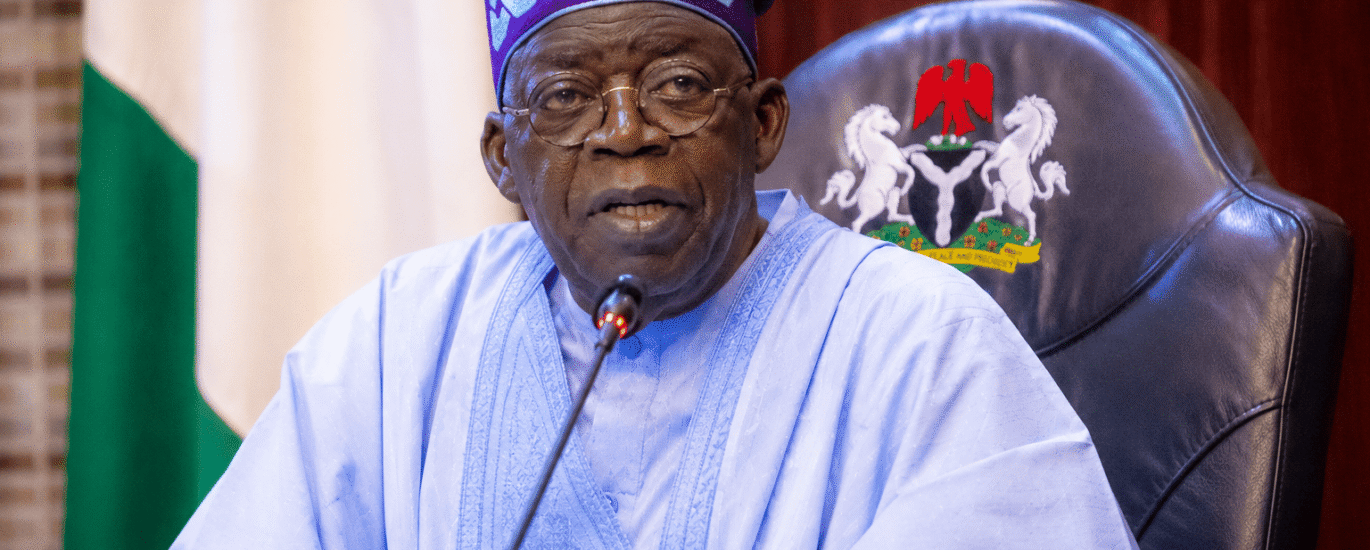
President Bola Tinubu has reaffirmed his administration’s commitment to economic reforms, stating that recent policy changes were necessary to address long-standing challenges in Nigeria’s financial system.
Speaking during activities marking his third year in office, the President maintained that measures such as the removal of fuel subsidies and changes to the foreign exchange framework were aimed at strengthening the economy, reducing inefficiencies, and improving the nation’s long-term prospects.
According to Tinubu, the government inherited significant economic pressures that required immediate action. He noted that previous subsidy arrangements and foreign exchange practices placed considerable strain on public finances and limited national development efforts.
The President argued that while the reforms have brought short-term difficulties for many Nigerians, they were introduced to create a more sustainable economic environment. He pointed to developments in infrastructure, housing, revenue generation, and investor interest as signs that the country is moving in a positive direction.
Meanwhile, political discussions ahead of the 2027 elections continue to attract attention, with new alliances, party movements, and leadership endorsements emerging across the country. Analysts say these developments could influence the shape of future electoral contests.
In addition to political activities, public health authorities have intensified monitoring efforts following concerns over disease outbreaks in parts of the country, while several states continue to review strategies aimed at strengthening emergency preparedness.
As Nigeria approaches another election cycle, economic performance, governance issues, and public welfare are expected to remain central topics in national conversations.